Health & Wellness · Sponsored Content
The Dizziness 4 Doctors Couldn't Explain Was Coming From One Spot In Her Neck
Two years of "your tests are normal." Then a late-night forum thread led me to a 15-minute routine I could do on my own living-room floor — and it quietly gave me my ordinary days back.
The first time it happened, I was reaching for a box of cereal on the top shelf. The floor seemed to tip a few degrees, like the aisle had quietly turned into the deck of a boat. I grabbed the cart with both hands and froze until it passed.
It passed. Then it came back the next morning. And the one after that.
Within a few weeks I'd stopped shopping alone. I stopped driving on the highway. I started turning down lunches with friends because I never knew when the next wave would hit. Bit by bit, I built my whole life around not being dizzy — and barely noticed how small that life had become.
I Did Everything Right — And Still Got "It's Probably Stress"
I'm not someone who ignores a problem. I went to my primary doctor. She sent me to an ENT. The ENT sent me to a neurologist. Between copays, an MRI, blood panels and specialist visits, I spent close to $3,800 out of pocket.
Every one of them looked at the results and said a version of the same thing:
"Linda, everything looks perfectly normal. It's probably stress. Have you thought about talking to someone?"
But I wasn't stressed. I was dizzy. The worry only showed up after the room started moving, because I was scared of fainting in public. Nobody in a white coat seemed willing to hear that difference.

The Clue Came At 11:40 PM — From A Stranger Online
I found it by accident. One sleepless night I wandered into an online health forum, and a woman had written a post that read like a page out of my own diary. The grocery-store dizziness. The afternoon fog. The doctors reaching for the word "anxiety."
She hadn't accepted it. She'd kept pushing until a physical therapist finally looked at her neck — and explained something I'd never once been told.
The neck-balance link her PT explained
At the base of the skull, where the neck meets the head, sits the vagus nerve — and right beside it run the C1–C2 vertebral arteries that carry blood up toward the brain.
Her PT's point was simple: when the deep neck muscles stay tight for years — from desk work, phones, posture — they can press on that area like a slow clamp. And when the brain's balance center gets a little less of what it needs, the body can translate that into dizziness, fog, and that "off" feeling no scan tends to catch.
Reading it, something clicked for me. Maybe it had never been my ears either — maybe it was the tension in my neck, the one thing no one had thought to check.
I stayed up until 2 a.m. reading. For the first time in two years, a piece of this actually made sense to me.
Does any of this sound familiar?
- Dizzy or "off-balance" spells that doctors can't explain
- A stiff, achy neck — especially at the base of your skull
- Afternoon brain fog or pressure behind the eyes
- Tests that keep coming back "normal" while you don't feel normal
If you checked even two of these, the next part is the part I wish I'd found two years sooner.
Why The "Real Fix" Was Going To Cost Me $150 A Visit
Here's the catch I ran into as I read further: a regular massage doesn't reach this. It works the surface muscles, while the deep ones doing the clamping tighten right back within a day.
What actually helps loosen them, by every account I found, is cervical traction — gently stretching the neck back toward its natural 26° curve so the pressure eases off. The problem? Clinics charge around $150 a session, two or three times a week. That adds up fast, and I couldn't keep that up forever.
So I went looking for something to use at home. I bought three foam neck pillows off Amazon first — useless. Then I found the device the woman in that thread had named: the one built to actually stretch the neck the way a clinic does, not just buzz against the skin — the Neckline 4-in-1 Massager.
What Happened In My First 15 Minutes
The first thing I noticed was that it felt serious — rigid, with a deliberate curved shape. Not a fluffy pillow. Something that looked like it belonged in a clinic.
I set it on the floor, lay back, and lowered my neck onto it. A deep, deliberate stretch — my neck easing into the exact angle it had been fighting for years. Then the heat, sinking into the base of my skull. Then the EMS — tiny, painless pulses working into the knots. I could feel the deep muscles twitch, resist… and slowly let go.
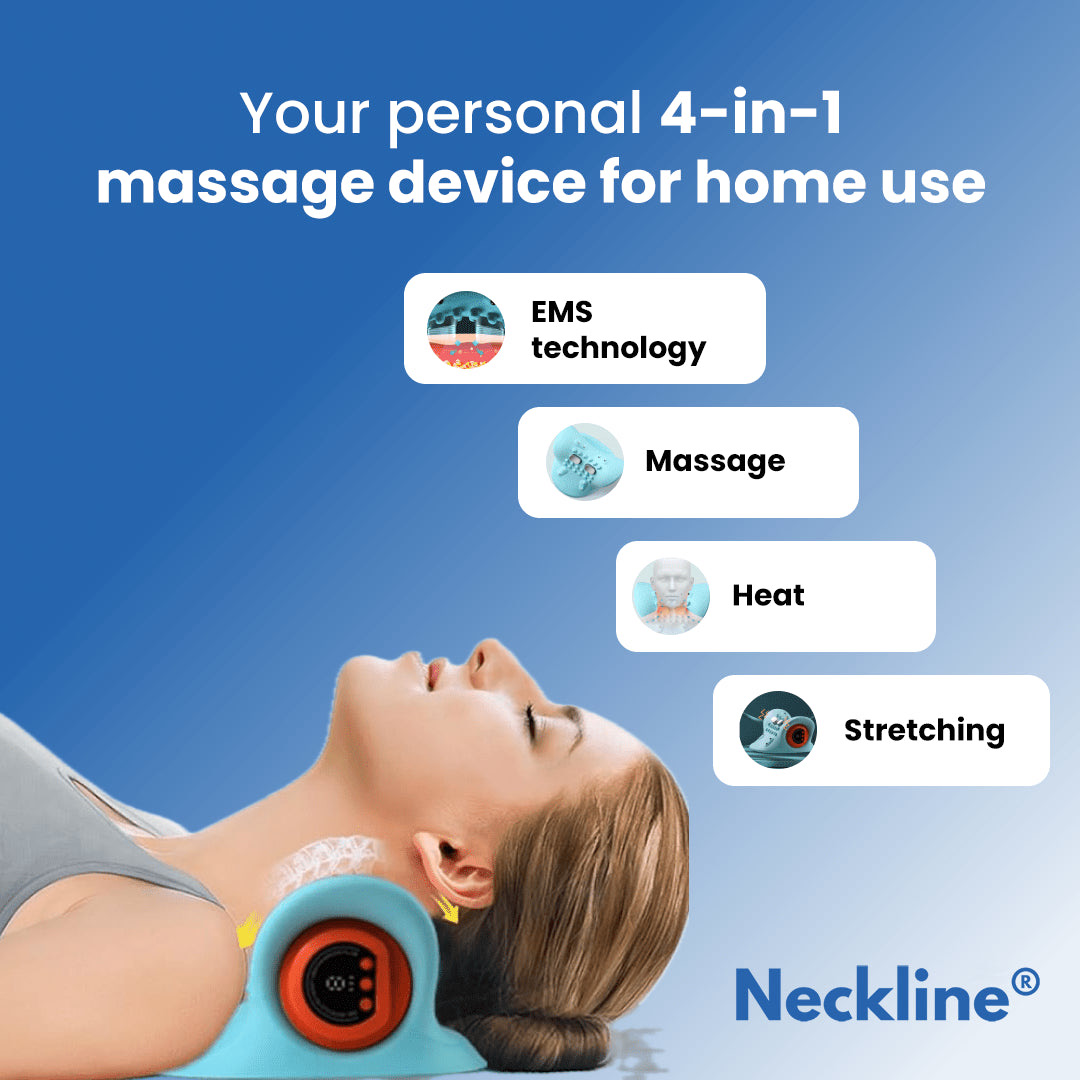

When the timer beeped I got up the way I always did — carefully, waiting for the floor to shift. And for the first time in a long time, it didn't.
I won't oversell it: bodies are different, and results vary from person to person. But for me, the change came quietly. Day three, the dull ache at the base of my skull had eased. Day seven, my afternoon fog had lifted. By the end of the month I drove myself to the market — alone, on the highway — and didn't think about my balance once.
Neckline™ 4-in-1 Massager
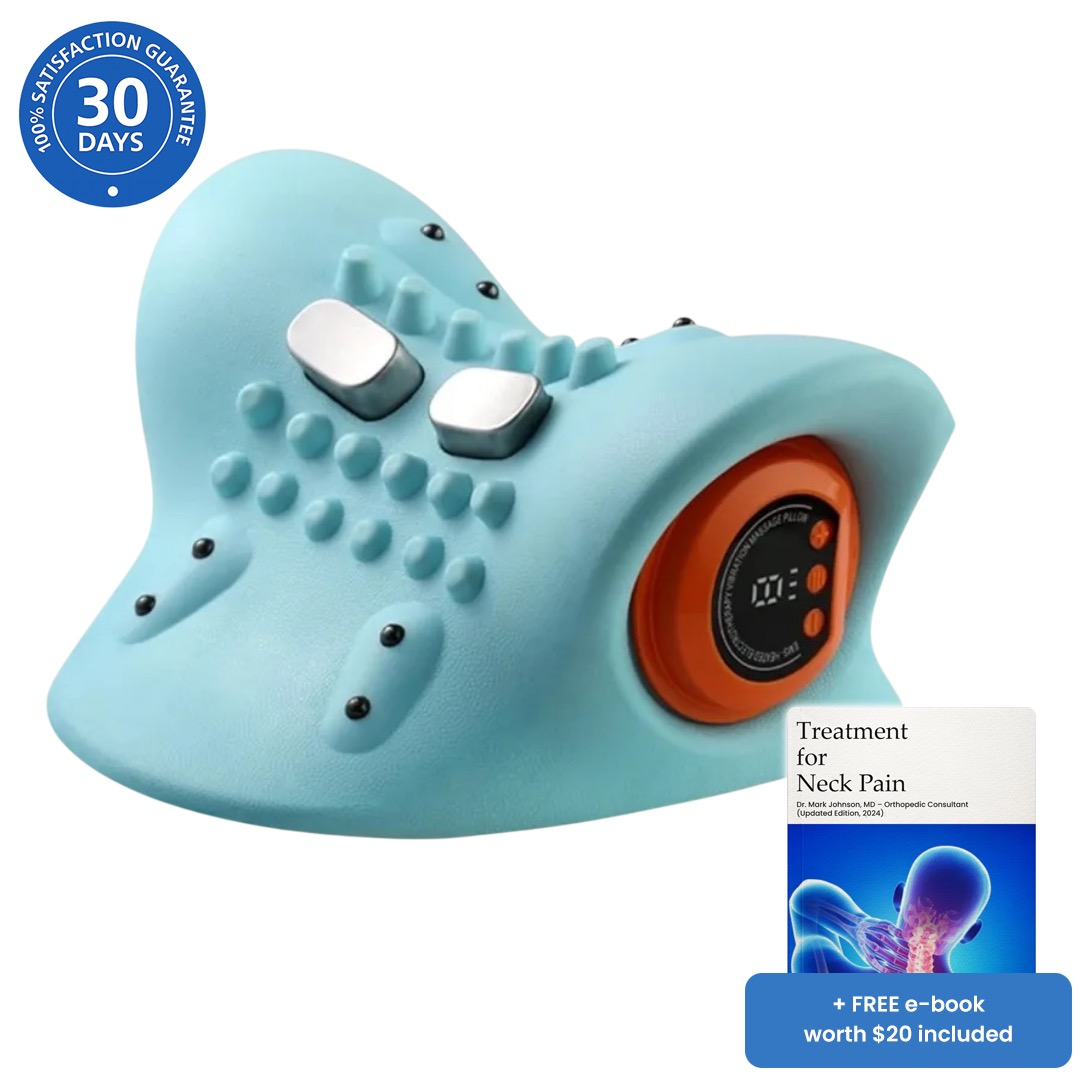
- Rigid 26° incline for true cervical traction — not a soft pillow
- Deep, soothing heat to help relax tight neck muscles
- EMS stimulation that reaches the deeper muscles a massage can't
- Just 15 minutes a day, at home, on your own schedule
"Is It Worth It?" — How I Thought About The Price
I'd already spent $3,800 chasing answers that never came. Next to that — and next to $150 every single PT visit — a one-time device that I can use at home for as long as I like honestly felt like the easy decision. And because it's backed by a 30-day money-back guarantee, the only real way to know was to try it for myself, with nothing to lose but a couple weeks.
What Other Buyers Are Saying
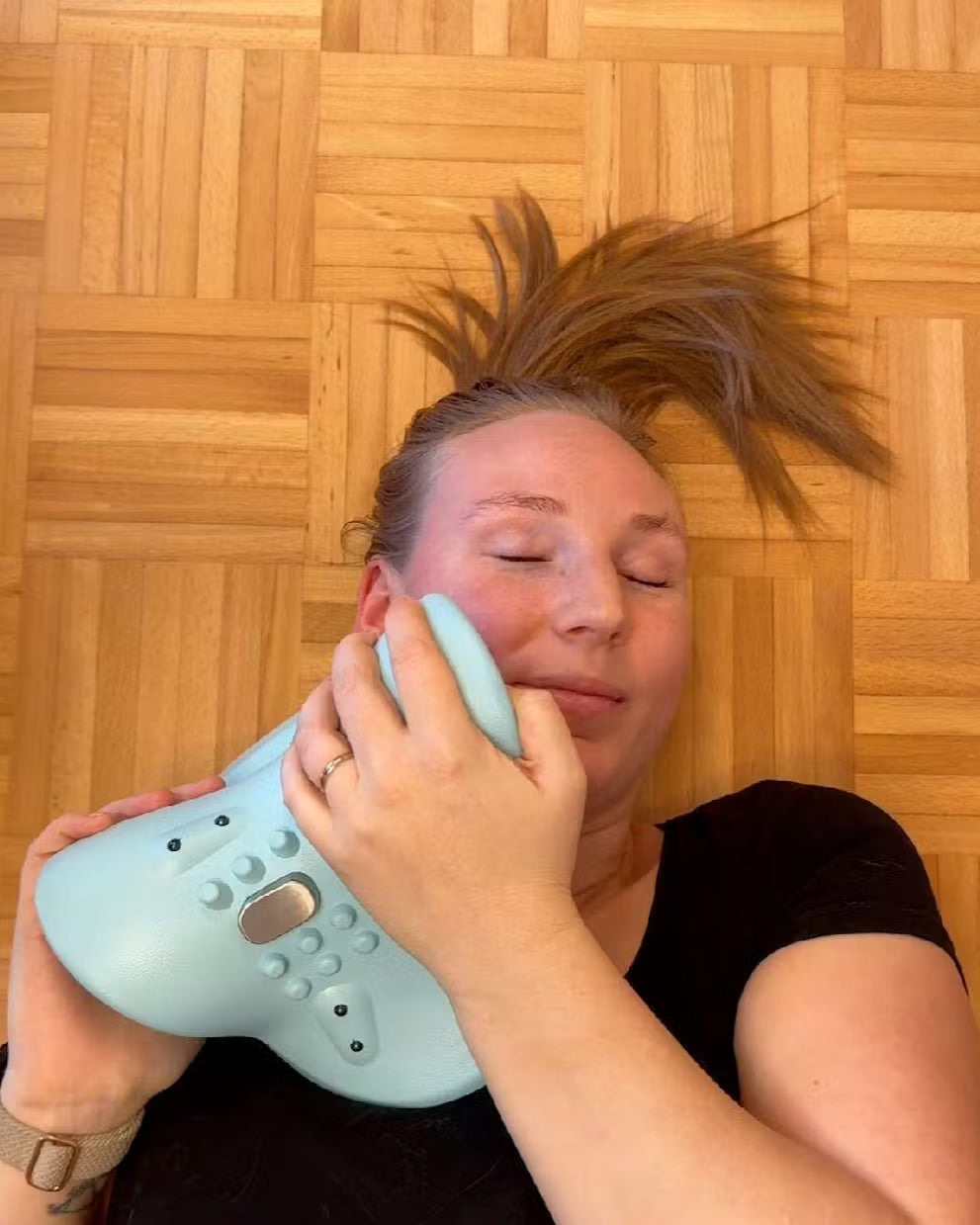
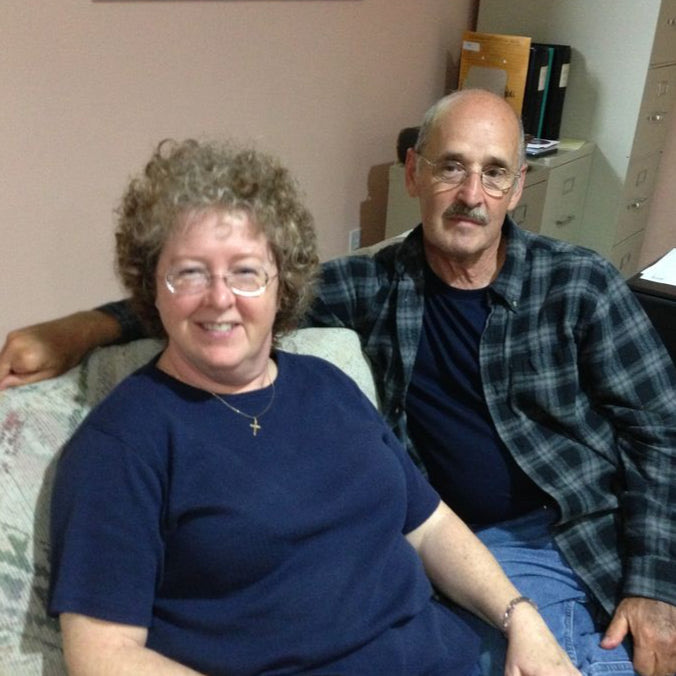
★★★★★ 4.9 / 5 from 17,000+ verified customers

- Free shipping within the USA
- Free neck-health e-book included
- 30-day money-back guarantee
At the time of writing, the company is still running the 50% launch discount, but it tends to sell through in waves. It's worth checking the official page below to see whether it's still available before it's gone.
Privacy Policy · Terms of Use · Contact